

Cool Comfort Restored: Your Guide to Expert Air Conditioner Repair Near You

As temperatures soar, the last thing anyone wants is a faulty air conditioner. Whether you’re facing a sweltering summer afternoon or trying to maintain a comfortable environment for your family, a working AC unit is no longer just a luxury—it’s a necessity. But what happens when your air conditioning system breaks down? That’s when you search for air conditioner repair near me and hope for a fast, reliable solution. This article will guide you through what to expect from local AC repair services and how to choose the right professionals to restore your indoor comfort.

The Importance of Timely AC Repair

An air conditioning system that isn’t functioning properly isn’t just uncomfortable—it can become expensive and even dangerous. Ignoring warning signs can lead to larger issues, including:

  • Higher energy bills: Malfunctioning AC units often consume more energy as they struggle to maintain the desired temperature.

  • Health concerns: Poor air circulation can increase humidity, encourage mold growth, and affect indoor air quality, especially for those with allergies or respiratory issues.

  • Complete breakdown: Minor issues can escalate into full system failures if not addressed promptly, leading to costly replacements.

That’s why professional, local AC repair services are essential—they provide fast solutions to keep your system running efficiently.

Signs Your Air Conditioner Needs Repair

Before you start searching for nearby air conditioner repair technicians, it helps to recognize the early signs of trouble:

  • Insufficient cooling or uneven temperatures

  • Unusual noises like grinding, squealing, or rattling

  • Strange or foul odors coming from vents

  • Leaking water or refrigerant

  • Frequent cycling on and off

  • Sudden spikes in electricity bills

If you notice any of these symptoms, it’s time to call a professional technician before the issue worsens.

What to Expect from a Local AC Repair Service

When you contact a reputable air conditioner repair company near you, they will typically offer the following:

  1. Diagnostic Inspection: Technicians start with a full-system check to identify the root cause of the problem.

  2. Clear Communication: A good company will explain the issue in plain language and provide a transparent estimate for parts and labor.

  3. Fast Response Times: Especially during peak summer months, timely service is critical. Many companies offer same-day or emergency repairs.

  4. Certified Technicians: Make sure your technician is licensed, insured, and experienced in repairing your specific brand and model.

  5. Guarantees and Warranties: Reputable businesses stand behind their work with service guarantees and warranties on parts and labor.

How to Choose the Right AC Repair Service Near You

With so many options, it’s important to know how to find a trustworthy and skilled HVAC repair service. Here’s what to consider:

  • Local Reviews: Check Google, Yelp, or local forums for customer feedback. Look for consistent praise regarding punctuality, professionalism, and quality of work.

  • Certifications and Licensing: Ensure the company is licensed to operate in your area and that technicians are EPA-certified.

  • Experience: Look for businesses with several years in the industry. Experienced technicians are more likely to diagnose problems quickly and accurately.

  • Availability: Choose a company that offers 24/7 or emergency repair services. AC issues don’t always happen during business hours.

  • Service Range: Verify that the service provider works in your zip code or neighborhood.

Preventing Future AC Issues

After your unit is repaired, it’s wise to take steps to avoid future problems. Most AC repair services also offer preventive maintenance plans, which can include:

  • Regular cleaning of coils and filters

  • Refrigerant level checks

  • Inspection of electrical components

  • Thermostat calibration

  • Ductwork inspection

Routine maintenance not only extends the life of your unit but also helps it run more efficiently, saving you money in the long run.

Affordable Options and Financing

Worried about cost? Many local AC repair companies understand that repairs can be unexpected and offer flexible payment plans or financing. Some even provide seasonal discounts, free service calls with repair, or membership programs that include priority scheduling and discounts on future services.

Final Thoughts

Dealing with a broken air conditioner is never convenient, but knowing that expert help is just around the corner can bring peace of mind. Whether you need a quick fix, a full system tune-up, or emergency repairs, finding a reliable air conditioner repair service near you is the key to staying cool and comfortable.

So, the next time your AC sputters, don’t sweat it—search for a trusted local technician and get your system back on track. With professional help, cool comfort is only a call away.
The Role of an Audio Visual Consultant in Modern Business Solutions

An audio visual consultant is a key professional in the design, installation, and maintenance of audio and visual systems used in business environments. In today’s fast-paced digital world, where communication is crucial for success, companies are increasingly relying on advanced audio and visual technologies to enhance presentations, meetings, and overall operations. An audio visual consultant helps businesses make the best use of these technologies, ensuring that they meet specific needs and provide high-quality performance. Whether it’s for conference rooms, event spaces, or collaborative workspaces, the expertise of an audio visual consultant can make a significant difference in the smooth functioning of a business. Similarly, for home theater systems atlanta, they ensure top-notch setups tailored to your needs for optimal performance and experience.

One of the primary responsibilities of an audio visual consultant is to evaluate the existing infrastructure of a business and propose appropriate solutions. This could involve upgrading old systems or implementing entirely new technology to support better communication and collaboration. For example, in a corporate boardroom, the consultant may suggest installing high-definition projectors, interactive whiteboards, and integrated video conferencing systems. By assessing the space and the company’s needs, an audio visual consultant ensures that all aspects of the system are properly designed for maximum performance. Additionally, the consultant can provide ongoing support and maintenance to ensure that the systems continue to operate efficiently over time.

Audio visual consultants also play a crucial role in improving the user experience. Their expertise allows them to recommend equipment that not only functions well but is easy to use and maintain. For example, in a large meeting room, the consultant might suggest automated controls for lighting, sound, and visual elements, allowing users to control everything with a single button. This ease of use improves productivity and reduces the risk of technical difficulties during important meetings or presentations. Furthermore, an experienced audio visual consultant understands the importance of aesthetics in the workplace, ensuring that all equipment is seamlessly integrated into the design of the office without creating distractions or clutter.

The demand for audio visual consultants has grown significantly in recent years as more businesses recognize the importance of technology in enhancing productivity and communication. In addition to traditional business environments, consultants are also being sought for the growing field of virtual and hybrid events. These events require a different level of technical expertise to ensure a smooth and professional experience for both in-person and online participants. Consultants specializing in event technology are now highly sought after to handle everything from live streaming to virtual breakouts and audience engagement tools. Their ability to integrate diverse technologies into cohesive systems ensures that events run smoothly and attendees remain engaged.

In conclusion, an audio visual consultant provides essential services for businesses that want to optimize their use of technology. Their expertise allows businesses to create customized solutions that align with their needs and goals. From evaluating infrastructure to recommending the best equipment and offering ongoing support, audio visual consultants are integral to helping companies stay ahead in a technology-driven world. Whether for daily operations, conferences, or virtual events, businesses that invest in audio visual consultation can ensure that their communication systems are always at the cutting edge.

What I Look for in a Fence Crew Around Lake Charles

I have spent years building and repairing fences along the Gulf Coast, and jobs around Lake Charles always demand a little more judgment than people expect. The ground shifts, the weather turns fast, and a fence that looks fine on day one can start leaning by the next hard season if the basics were rushed. I do not think of fencing as a catalog purchase anymore. I think of it as a structure that has to live with water, wind, pets, and real family routines.

Why fences in Lake Charles fail in familiar ways

The most common problems I see are not dramatic ones. It is usually a gate that drags after six months, posts that were set too shallow, or pickets starting to twist because the wood went up too wet. Around Lake Charles, that mix of heat and moisture will expose lazy work faster than almost anywhere else I have worked. Small shortcuts get loud here.

I learned early that local soil conditions matter as much as the material list on the invoice. A post hole that might hold fine at 24 inches in one area often needs more depth and better gravel prep on another lot just a few streets away. I have had jobs where the first clue was standing water still sitting near the fence line two days after a rain. That tells me more than a sales pitch ever will.

One homeowner last spring called me because her cedar privacy fence looked wavy even though it was still fairly new. When I checked the line, I found several spans over 8 feet where the rails were already pulling the section out of plane. The boards were not the real issue. The structure underneath was. Once the frame is wrong, the pretty part does not save it.

How I judge a fencing company before I let them touch a yard

I pay attention to how a company talks about layout before they talk about style. If the first conversation jumps straight to color, cap options, and decorative trim without a word about grade changes, drainage, or gate swing, I slow down. A serious crew should ask where the water runs, where the pets push, and how wide the mower access needs to be. Those are the questions that keep callbacks down.

For people comparing local options, I have told a few homeowners to look at Fence Pro Lake Charles as one example of a company that clearly presents its services. I say that because a clear service page usually tells me the crew understands how customers actually shop for fencing work. It is easier to trust a business that explains what it builds than one that hides behind vague promises. That first impression is not everything, but it matters.

I also listen for plain answers about posts, hardware, and gate framing. If someone tells me they use heavy-duty hinges, I want to know what that means in the field and why they chose them for a 5-foot walk gate versus a double drive gate. I have replaced too many sagging gates that were hung with hardware better suited to a garden latch than a daily-use entry. Details like that decide whether a gate still closes cleanly after a humid summer.

Another thing I watch is whether the estimate reflects the yard that actually exists. On a sloped lot, a bid that pretends every panel will run flat is usually hiding labor or future disappointment. I would rather hear a contractor explain where a rackable panel works, where stepping makes more sense, and why one section may need a custom opening. That kind of answer tells me somebody has installed more than ten fences.

Materials matter, but installation matters more

People ask me all the time whether wood, vinyl, aluminum, or chain link is best. My answer is usually the same. It depends on the yard and the purpose. I have seen a basic chain link fence outlast a poorly installed wood privacy fence by years simply because the layout, footing, and tension were done right the first time.

For privacy work in this region, I still like cedar when the customer understands what natural movement looks like. Boards can shrink, some knots will show, and color will mellow within the first year, but a well-built frame with solid posts can handle all of that. I tend to look for two rails on shorter sections and three on taller 6-foot runs, with attention paid to fastener choice and air flow. Those little choices help the fence age with less drama.

Vinyl can be a smart pick for homeowners who want less surface maintenance, but I only like it when the product is matched to the exposure and the installer respects the manufacturer spacing. In open yards that take full sun and regular wind, the wrong panel system can flex in ways people do not expect. I have walked jobs where the material itself was decent, yet the line looked tired because the crew treated every section like a shortcut. No material fixes careless spacing.

Aluminum is the one I mention most for people who want visibility and cleaner curb appeal near a pool or front lawn. It is lighter on the eye, and on the right property it can make a house feel more open instead of boxed in. Still, I check the gate posts twice on those jobs because light panels do not mean light stress at the hinges. A gate that opens 20 times a day needs real support, no matter how elegant the panel looks.

What good fence planning looks like on a real property

The best fence jobs are rarely the fastest ones. They are the ones where somebody took an extra 30 minutes to mark corners carefully, walk the perimeter, and notice the awkward things that never show up in a simple sketch. A low tree limb, an air-conditioning line, a drainage swale, or a neighbor’s old post buried near the line can change the whole approach. That walk matters.

I like to think in terms of how the fence will be used at 7 a.m. and again at 7 p.m. In the morning, a family may be carrying trash bins, walking dogs, or backing out through a driveway gate before work. In the evening, kids may be cutting across wet grass with bikes, and that gate latch will get tested by tired hands in the dark. A fence is not just a border. It is part of the routine.

One property I remember had a narrow side yard, maybe 42 inches at the tightest point, and the owner wanted a clean privacy run with a gate wide enough for yard equipment. That sounds simple until you factor in roof runoff, a condenser pad, and a slight grade drop toward the back corner. We ended up changing the hinge side and shifting the opening just enough to make daily use easier without making the fence line look odd from the street. Those are the choices that separate a pleasant fence from an annoying one.

I also tell people to think ahead at least three years. A puppy becomes a large dog. A decorative side gate turns into the one path everybody uses. A back corner that seems harmless now may become the soggy spot where the fence gets tested every storm season. Planning for use beats fixing regrets.

I trust a fence more when the person building it talks honestly about tradeoffs instead of promising that every material and every design is perfect. That kind of honesty usually shows up in the finished line, the gate swing, and the small details a homeowner notices every single day. If I were hiring a crew in Lake Charles for my own place, I would choose the one that respects the ground, explains the structure, and builds for the weather I know is coming.

What I Notice First in Chestermere Homes That Need Furnace Duct Cleaning

I run a small HVAC cleaning crew that works the east side of Calgary and out through Chestermere, so I spend a lot of my week inside basements, utility rooms, and older duct runs that most people never think about. After a few hundred service calls, I can usually tell within five minutes what kind of airflow problem a house has and whether the ducts are part of it. Some homes need a full cleaning right away. Others need a hard look at the furnace, filter setup, or renovation debris that got left behind.

The signs I see before I even open a vent

Chestermere homes tend to show patterns, especially in neighborhoods where a lot of houses went up around the same stretch of years. I often walk into a place and hear the blower working harder than it should while one bedroom still feels cooler than the hallway. That usually tells me the issue is not just dust on a register grille. It points to buildup deeper in the runs, a weak return path, or a filter habit that slipped for six months or more.

The first clue is often the kind of dust sitting around the supply vents. Fine gray dust is common, but chunky debris, pet hair clumps, drywall grit, and bits of insulation tell a different story. I saw one house last spring where a basement finish had wrapped up months earlier, yet every trunk line still had a light layer of construction dust because the system ran during sanding. That kind of residue sticks around and gets pushed room to room long after the paint smell is gone.

I also pay attention to how quickly a filter loads up. If a homeowner tells me a 1-inch filter looks dirty after 30 days, I start asking better questions. Sometimes the answer is two dogs and a busy house. Sometimes it is a return duct pulling in debris from a gap near the mechanical room, which is a much different fix than cleaning alone.

How I judge whether a house needs a cleaning now or later

I am cautious about telling people to clean ducts just because they have lived in a home for a few years. There is no magic timeline that fits every furnace, floor plan, and family routine, and I have seen five-year-old systems that were fairly clean and two-year-old systems that were a mess. Renovations change everything. So do pets, smoking, basement dust, and long stretches where cheap filters were used because they were on sale.

When people ask where to compare options in the area, I sometimes point them toward Furnace Duct Cleaning Chestermere because it gives them a practical way to see what local service coverage looks like. I still tell them to ask how the job is done before they book anyone. A proper cleaning should involve the full system path, not just a vacuum hose waved at the closest vents.

I look for three things before I say the timing is right. One is visible debris inside a few representative openings, especially the cold air returns because they collect heavier material. Another is airflow imbalance that has no obvious damper or furnace issue behind it. The third is household history, and that includes things like a recent move, a flood repair, or a furnace that ran through a renovation for 8 or 10 weeks.

There are also cases where I tell people to wait. If the duct interior has light film but no real buildup, airflow is steady, and the filter rack is sealed properly, I would rather see them spend money on a better maintenance plan. That might mean changing the filter every 60 to 90 days, sealing one leaky joint, and getting the blower compartment cleaned at the next service. Clean enough is a real thing. I wish more contractors said that out loud.

What a good duct cleaning job actually involves

A real job starts with access and control, not with noise and sales talk. I isolate sections, protect the work area, and use compressed air tools or agitation tools to move debris toward the collection point instead of just hoping suction reaches everything. Older homes with long branch lines take more patience than wide-open newer basements. Every setup is a little different, and that is why the first 20 minutes matter so much.

I spend a lot of time on the returns because that is where I usually find the heaviest material. Kids drop things through floor grilles. Renovation dust settles there. In one place near the lake, I pulled out enough pet hair from the main return drop to fill a medium garbage bag, and the homeowner finally understood why the upstairs always felt stale by evening.

The furnace side matters too. If the blower compartment, evaporator coil area, or filter rack is neglected, a duct cleaning alone can feel underwhelming because the system still has dirty choke points. I am careful with what I promise here because some components should only be cleaned or opened during furnace service, especially if there are wiring issues or an older board nearby. Different trades overlap in this work. That is normal.

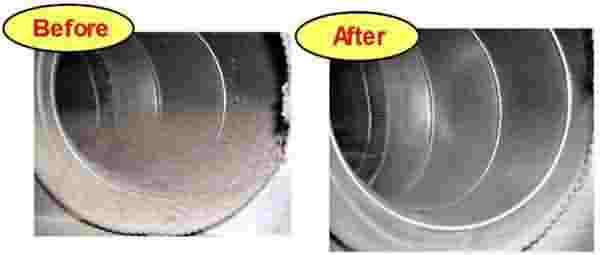
I also think homeowners should expect proof, but not the fake kind. Before-and-after photos from inside a few runs can help, and so can a calm walkthrough at the end where I explain what I found in plain language. If someone cannot explain why one return was much dirtier than the rest, they may not have looked very closely. Details matter here, especially in houses over 1,500 square feet where duct layouts can hide problem areas.

The mistakes I see homeowners make after the cleaning is done

The biggest mistake is assuming the house is now reset for years no matter what happens next. If the filter slot leaks, if the basement stays dusty, or if a renovation crew runs the furnace with no protection on the returns, the system starts collecting debris again right away. I have gone back to homes within a year and found new buildup because the underlying habit never changed. The cleaning was fine. The follow-through was not.

Another mistake is buying the most restrictive filter on the shelf without checking whether the system can handle it. Higher resistance is not always better, especially on an older furnace with marginal airflow already. I usually recommend matching the filter choice to the equipment and the household, not to whatever package has the boldest claims. A decent pleated filter changed on schedule does more good than an expensive one left in place too long.

People also forget the vents they can actually see and clean. I am not talking about scrubbing every grille every weekend, but a quick wipe and vacuum around the openings every month or two makes a difference. It keeps surface dust from getting dragged back in, and it helps people notice changes sooner. Small habits win.

Last, I think homeowners should pay attention to smell because it often tells the truth before the eye does. A dusty odor at startup in fall can be normal for a short stretch, but a stale or sour smell that hangs around deserves a closer look. That may be ducts, but it could also be a drain issue, damp basement materials, or something inside the furnace cabinet. I have learned not to guess when a smell has layers to it.

If I were advising a neighbor in Chestermere, I would tell them to judge duct cleaning the same way I do on site. Look at the house history, the filter pattern, the airflow, and the kind of debris you are actually dealing with. A good cleaning can help a lot, especially after renovations or in homes with heavy dust and pet load, but it works best when it is part of a broader maintenance habit. That is the difference I see over and over again in houses that stay comfortable through a long winter.

The Duct Stories Calgary
Chestermere
587 229 6222

Why I Pay Close Attention to Who Handles Insulation in Chattanooga Homes

After more than a decade working around attics, crawlspaces, and drafty older homes in southeast Tennessee, I’ve learned that hiring the right insulation crew matters a lot more than most homeowners expect. I’ve seen too many people choose based on the lowest estimate, only to spend the next two summers wondering why the upstairs still feels sticky and the HVAC never seems to shut off. That’s one reason I point people toward Insulation Commandos of Greater Chattanooga when they want a contractor that understands how insulation actually performs in real homes here, not just on paper.

Insulation Commandos - Shielding homes. Defending Comfort.

What I like about insulation work, and what frustrates me about bad insulation work, is that the results show up in very ordinary ways. You feel them standing in a hallway outside a bonus room that never cools down. You notice them in a musty crawlspace, or in a bedroom over the garage that is five degrees off from the rest of the house. Around Chattanooga, where we deal with humid summers, cool snaps in winter, and plenty of homes with awkward additions or aging ductwork, insulation is rarely just about adding material. It is usually about solving a comfort problem that has been annoying a family for years.

I’ve walked into homes where the owner swore they “already had plenty of insulation,” and technically they did. The attic had insulation spread across the floor, but it was compressed in some areas, thin in others, and installed around a maze of can lights, wiring, and open gaps that let air move freely from the house into the attic. One homeowner last spring had spent several seasons replacing thermostats, servicing the AC, and even adding blackout curtains upstairs. The real problem was that the attic was leaking conditioned air and the insulation wasn’t doing its job consistently. Once the air sealing and insulation were handled correctly, the complaint changed from “that room is unbearable after lunch” to “we finally use it all day.”

That kind of outcome is why I tend to be opinionated on this subject. I do not think insulation should be treated like a commodity. The bag count matters, the R-value matters, and the material choice matters, but installation quality matters just as much. A crew can put the “right” product in the wrong way and leave you with most of the same problems. In my experience, the best contractors are the ones who pay attention to the parts homeowners never see: attic access details, recessed fixtures, top-plate gaps, kneewalls, crawlspace transitions, and the spots where air leakage quietly undermines the whole job.

One mistake I see often is homeowners assuming their discomfort is always caused by a failing HVAC unit. Sometimes it is. But a lot of the time, the equipment is working harder because the house envelope is underperforming. I remember a job in an older home with a finished upstairs where the family had almost convinced themselves they needed to replace the entire system. Walking the house, I could feel the pressure imbalance immediately near the stair landing, and the attic told the rest of the story: patchy insulation, obvious bypasses, and evidence of humid air movement. Fixing the building envelope was far less disruptive and far more sensible than throwing new equipment at an old problem.

Another issue that deserves more attention in this region is moisture. People sometimes think insulation is just for temperature control, but in Chattanooga-area homes, moisture management is part of the conversation whether you realize it or not. I’ve been in crawlspaces where the homeowner was focused on cold floors, but the bigger concern was damp air and the beginning of that stale smell that eventually works its way indoors. In one case, a customer called mainly because the floor felt chilly in winter. By the end of the inspection, the real discussion was about how the crawlspace conditions were affecting the whole house. That is the kind of practical field reality you only appreciate after seeing enough homes up close.

I also advise homeowners not to get too attached to one insulation product before someone evaluates the actual space. Spray foam, blown-in insulation, batt insulation, and crawlspace solutions all have their place, but the “best” option depends on the structure, the access, and the problem you are trying to solve. I’ve seen batt insulation installed neatly and perform well where it made sense, and I’ve seen it installed poorly and become more decoration than insulation. I’ve also seen homeowners oversold on premium solutions for spaces that really needed a more targeted and cost-conscious fix. Good advice should match the house, not the sales script.

The houses around greater Chattanooga are varied enough that cookie-cutter recommendations usually fall short. Some homes have vented crawlspaces that behave badly in humid weather. Some have older attics with years of piecemeal electrical work and half-finished storage platforms. Some newer homes technically meet expectations on paper but still have uncomfortable rooms because of installation shortcuts. That variety is exactly why I respect contractors who assess first and prescribe second.

If I were telling a homeowner what to watch for before hiring an insulation company, I would keep it simple. Pay attention to whether they ask detailed questions about the rooms that feel uncomfortable. Notice whether they talk about air movement as well as insulation depth. See if they understand that one hot bedroom, a muggy upstairs, and high energy bills may all be related symptoms rather than separate problems. Those conversations tell me a lot more than a generic promise about efficiency.

I’ve found that homeowners are usually happiest with insulation work when the contractor treats the job like a home performance problem instead of a material sale. That means looking at the attic, crawlspace, wall transitions, and ventilation details as part of the same system. It also means being honest. Sometimes the right answer is a substantial upgrade. Sometimes it is a targeted correction in a few critical areas. I trust companies more when they can tell the difference.

After years of seeing what bad insulation work leaves behind, I have a strong preference for crews that think beyond square footage and bag counts. A house should feel steadier, quieter, and easier to live in after insulation is done properly. The rooms that used to swing from stuffy to chilly should settle down. The HVAC should stop fighting the house. And the homeowner should not have to guess whether the work solved the real problem. That is the standard I measure insulation contractors against, especially in homes around Chattanooga where comfort issues tend to be layered and long-standing.

What Electrical Inspections in Chelmsford Have Taught Me About Real-World Safety

I’ve been carrying out EICR Chelmsford inspections for well over ten years now, mostly in lived-in homes and rental properties rather than empty showpieces. Working as a NICEIC-registered electrician in this area gives you a very particular view of electrical systems, because Chelmsford has a mix that you don’t always see elsewhere: older townhouses with layered wiring histories, 80s and 90s estates that are starting to show their age, and newer developments that look tidy on the surface but aren’t always as well thought through as people expect.

Commercial Testing & Inspection EICR | Chelmsford | Essex | CM1 - Leigh  Electrical

One of the first things I learned here is that appearance means very little. I inspected a modern-looking semi not far from the town centre a while back that had recently changed hands. Fresh paint, new sockets, shiny consumer unit. On paper, it looked like an easy pass. Once I started testing, it became clear the consumer unit had been swapped without addressing underlying circuit issues. Several earth readings were marginal, and one lighting circuit had clearly been extended multiple times without proper testing. The buyer was shocked, but from my side, it was familiar. Cosmetic updates hide electrical shortcuts all the time.

Rental properties in Chelmsford often tell a different story. I remember a landlord last winter who assumed his flat would fail because it hadn’t been “touched electrically” in years. In reality, it passed with only minor observations. The reason was simple: no DIY meddling, no piecemeal upgrades, and steady long-term tenants. In my experience, untouched systems that were installed correctly often age better than ones that get constantly tweaked without a proper plan.

The most common mistake I see is people waiting until the last possible moment. Lettings agents ring in a panic because a tenancy renewal is days away and the EICR has flagged urgent remedial work. I’ve seen properties temporarily taken off the market because a simple issue—like lack of RCD protection—wasn’t addressed early enough. I’m fairly blunt about this now: leaving inspections late costs more and causes stress that’s completely avoidable.

Chelmsford homes also have a habit of growing electrically. Conservatories, garden offices, converted garages—these additions are everywhere. I inspected a family home last spring where a garden office was fed from a socket spur that had been there since the early 2000s. It worked fine day-to-day, but it was never suitable for the load it was now carrying. The homeowner wasn’t careless; they just didn’t realise how usage changes affect safety over time. That’s exactly why I take EICRs seriously rather than treating them as box-ticking.

I hold the usual qualifications and registrations you’d expect, but what really shapes my approach is repetition. After hundreds of inspections around Chelmsford, patterns jump out quickly. Certain estates nearly always have the same bonding issues. Some older properties almost always have borrowed neutrals lurking somewhere. Knowing that helps me inspect more thoroughly and explain findings in plain terms, not jargon.

An EICR done properly reflects how a property is actually used, not how it’s meant to be used. In Chelmsford, where homes evolve and people adapt spaces constantly, that distinction matters more than most realise.

Living With IPTV in the UK: What a Decade in Streaming Installations Taught Me

I’ve been installing, troubleshooting, and quietly fixing streaming setups across the UK for a little over ten years now, and my relationship with IPTV UK hasn’t come from curiosity alone—it’s come from being called in when things don’t work. I first encountered IPTV while helping a small flat in East London cut down on an overstuffed satellite package. What started as a simple request to “get more channels without another dish” turned into my first hands-on lesson in how flexible—and fragile—IPTV setups can be when people don’t know what they’re getting into.

IPTV UK Archives - Porto - Best WordPress Themes

Back then, most clients assumed IPTV was just “TV over the internet.” Technically true, but misleadingly simple. In practice, I’ve seen IPTV behave brilliantly in one home and fall apart in another, even on similar broadband plans. One customer last winter had flawless HD streams all evening but constant buffering during weekend afternoons. The culprit wasn’t the service itself—it was an ageing router tucked behind a TV cabinet, overheating every time the household traffic spiked.

From my side of the screen, IPTV in the UK shines when expectations are realistic. The appeal is obvious: broader channel access, fewer hardware commitments, and more control over how content is watched. I’ve helped retirees replace bulky satellite boxes with a single app on a smart TV, and I’ve set up young families who wanted international channels without juggling three different subscriptions. In both cases, IPTV delivered exactly what they were after—but only after a bit of practical fine-tuning.

One mistake I see repeatedly is people chasing the cheapest option available, assuming all IPTV services are interchangeable. They’re not. I once spent an afternoon trying to stabilize a setup for a customer who’d signed up for a bargain service advertised through a messaging app. Channels disappeared mid-week, customer support vanished, and the stream quality dipped every evening. By contrast, services that invest in stable servers and proper support tend to behave more predictably, even under heavy UK viewing hours like football nights.

Another common issue is ignoring bandwidth reality. I remember a family in Manchester convinced their fibre connection was “fast enough for anything.” It was—until everyone streamed at once. IPTV doesn’t forgive congestion. After splitting traffic with a basic quality-of-service setting on the router, their complaints stopped entirely. That kind of fix doesn’t show up in marketing copy, but it matters more than channel counts ever will.

Professionally, I’m cautious but not cynical about IPTV. I recommend it regularly, but I also advise against treating it as a plug-and-play miracle. If you’re comfortable adjusting settings, understanding your home network, and choosing providers carefully, IPTV can feel liberating compared to traditional TV. If you expect it to behave exactly like cable without any involvement, frustration usually follows.

What keeps me recommending IPTV UK services is how adaptable they’ve become. Over the years, I’ve watched them improve uptime, simplify interfaces, and reduce the technical friction that used to scare people off. The best setups today are the ones I don’t get called back to fix—and that, from someone who’s made a living fixing things, is the strongest endorsement I can give.

Designing Homes in Glencoe Requires More Restraint Than Reinvention

After more than a decade working as a residential interior designer along Chicago’s North Shore, I’ve learned that collaborating with interior designers in Glencoe, IL is less about transformation and more about refinement. Glencoe homes often have strong architectural identities, generous proportions, and owners who care deeply about continuity. The challenge isn’t making something new—it’s making changes that feel inevitable.

Thoughtful design, inspired living ✨ Dallas-based interior designer  @jenmauldindesign has spent over 25 years crafting spaces that feel  effortlessly curated, livable, and deeply personal. With a signature  approach rooted in understated luxury

One of my first Glencoe projects involved a lake-adjacent home that had been thoughtfully built but inconsistently updated over the years. Nothing was overtly wrong, yet transitions between rooms felt slightly unresolved. Ceiling heights shifted by small margins, and previous renovations had introduced trim that didn’t quite match the original language of the house. I remember spending several site visits with a carpenter, adjusting casing profiles and alignments by fractions until the rooms felt settled. Those decisions were subtle, but without them the house would have felt patched together rather than whole.

I’m NCIDQ-certified and have worked extensively with high-end residential clients, and Glencoe reinforced something experience teaches quickly: restraint is a skill. I once consulted on a project where the initial design direction leaned heavily into bold finishes layered onto an already expressive structure. The rooms felt busy instead of composed. We pulled back, simplified the palette, and invested in fewer, better materials. The result felt calmer and more timeless, and the client avoided spending several thousand dollars on elements that would have lost their appeal quickly.

Another common mistake I see is designing spaces for presentation rather than daily use. Glencoe families entertain often, but they also live fully in their homes. I worked with a household that initially wanted delicate upholstery and highly polished surfaces throughout the main level. Based on past experience, I encouraged more forgiving materials that could handle constant use without looking worn. Months later, after frequent gatherings and everyday traffic, the spaces still felt composed. That outcome came from anticipating wear, not ignoring it.

Designers who work well in Glencoe also understand that clients notice details immediately. Proportions matter. Alignments matter. New work has to respect the home’s original intent or it feels out of place right away. I’ve seen projects lose momentum simply because a designer didn’t spend enough time understanding the house before proposing changes.

Glencoe doesn’t reward excess or trend-driven decisions. It rewards designers who listen closely, respect what’s already there, and are comfortable advising against ideas that don’t serve the home long-term. The best results here don’t announce themselves loudly—they settle in quietly and continue to feel right years later.

Why Duct Cleaning in Madera Became Part of My Routine as a Licensed Veterinarian

As a veterinarian practicing in Madera, I’ve spent years treating animals with allergies, respiratory issues, and skin irritation. What many pet owners don’t realize is that their home environment—especially the air circulating through their HVAC system—plays a bigger role in their pets’ well-being than they think. My understanding of duct cleaning Madera services didn’t come from a mechanical background; it came from watching how animals responded to the spaces they lived in every day.

Vent Duct Cleaning Fresno TX - Air Vent Cleaning Dallas Texas

My first real eye-opener happened with a dog I’d treated for chronic coughing. His owner kept him indoors most of the time, thinking it would protect him from pollen and agricultural dust common in our area. But the symptoms persisted. During a follow-up conversation, she mentioned that whenever the heater turned on, the dog would start sneezing. That small detail told me a lot. I suggested she have the ducts inspected—not because I was thinking about the HVAC system itself, but because I suspected what might be circulating through it. A week later, she told me the technician found a thick buildup of dust and pet hair lining the return duct. Once the ducts were cleaned, the dog’s symptoms eased. That case stuck with me because it showed how invisible problems inside a home can trigger very visible reactions in animals.

Another moment that shaped my perspective came from my own experience. I live with two aging cats, both of whom are prone to respiratory sensitivity. For months, one of them wheezed lightly whenever the AC kicked on. I assumed it was just part of her age until I removed a vent cover while cleaning and saw a gray film deep inside the duct. I decided to have the system cleaned. The technician showed me clumps of hair, dander, and fine debris—much of it brought in from outside through tiny gaps in the attic. After the cleaning, the wheezing episodes became less frequent. It was the first time I personally felt how much cleaner air affects animals that spend most of their time indoors.

I’ve also seen how home renovations affect pets in subtle ways. A client told me her cat had started sneezing nonstop after a bathroom remodel. She assumed it was stress. But when I asked about dust exposure, she mentioned that she noticed a chalky smell when the heater turned on. That told me everything I needed to know. Drywall dust is incredibly fine, and once it reaches the duct system, it lingers long after surfaces look clean. She had the ducts cleaned, and within days her cat stopped sneezing. Cases like this taught me that a spotless home can still circulate irritants if the ducts haven’t been addressed.

Of course, not every pet issue is solved by duct cleaning. I’ve treated animals whose symptoms were caused by mold, stress, or unrelated infections. I’ve also seen homeowners request duct cleaning thinking it would fix temperature inconsistencies, only for the real problem to be a collapsed duct in the attic—something cleaning couldn’t touch. Experience has made me more thoughtful about when I recommend assessing a home’s air pathways.

Still, in many Madera households—especially those near farmland, those with multiple pets, or those that have recently undergone renovations—cleaning the ducts removes allergens that would otherwise continue circulating. Our region’s dry summers and farming activity contribute to airborne particles that settle deep inside duct systems. And pets, with their constant shedding and dander production, add another layer to the problem.

As someone who cares for animals daily, I’ve learned that their lungs are often the first to react to what we overlook. Air quality isn’t just a human concern; it affects every creature living under the same roof. Duct cleaning isn’t a cure for all respiratory issues, but in many homes I’ve visited or consulted on, it has been one of the simplest ways to help pets breathe easier.

Seeing animals recover or improve simply because their environment changed has made me pay closer attention to the hidden systems inside our homes. For many families in Madera, clean ducts aren’t just about comfort—they quietly support the health of the pets who rely on that space more than anyone else.

The Keystone of Your Home: A Guide to Roofing in Washington, PA

The integrity of a home often rests on its roof, making the subject of roofing in Washington, PA, one of paramount importance for local homeowners. Washington County, with its unique blend of historic architecture and new construction, presents specific challenges and considerations when selecting, installing, or repairing a roof. Understanding the local climate, common building codes, and the best materials suited for the region’s weather patterns is essential for ensuring a durable and long-lasting protective layer over your investment. From the heavy snowfalls in winter to the humid, stormy summers, a roof here must be robust, properly installed, and meticulously maintained to withstand the diverse elements.

Pittsburgh Commercial Roofing

Navigating Washington, PA’s Climate and Its Impact on Roofing
The climate of southwestern Pennsylvania directly influences the choices homeowners make regarding roofing in Washington, PA. The region experiences four distinct seasons, each presenting a different set of stresses on roofing materials. Winters bring freezing temperatures and significant snowfall, which can lead to ice dam formation and the potential for water infiltration if the attic is not properly ventilated and insulated. Conversely, the summer months are marked by heat, humidity, and often severe thunderstorms, which can stress and accelerate the aging of shingles and other roofing components. Therefore, when consulting with a contractor about roofing in Washington, PA, always discuss materials with high wind resistance and excellent freeze-thaw capabilities.

Popular Roofing Materials and Their Suitability for Washington, PA
When it comes to selecting materials for roofing in Washington, PA, homeowners have several excellent options, with the choice often depending on budget, aesthetic preference, and the home’s style. Asphalt shingles remain the most popular choice due to their affordability, versatility, and relative ease of installation. Higher-end architectural or dimensional shingles offer greater longevity and a superior aesthetic appeal, often mimicking the look of slate or wood. For more historic homes, or those seeking maximum durability, metal roofing is gaining popularity. Metal roofs offer an unmatched lifespan, excellent fire resistance, and superior performance against heavy snow loads, though the initial investment for this type of roofing in Washington, PA is higher. Other options include synthetic slate or rubber roofing, particularly useful for low-slope or flat roof sections.

The Importance of Proper Ventilation for Roofing Longevity
One factor often overlooked but critical to the lifespan of roofing in Washington, PA is proper attic ventilation. A well-ventilated attic works year-round to protect the entire roofing system. In the summer, it allows trapped hot air to escape, reducing the temperature in the attic and preventing the premature degradation of shingles from excessive heat. In the winter, adequate ventilation helps keep the underside of the roof deck cold, which prevents the snow and ice on the roof’s surface from melting and refreezing into destructive ice dams. Contractors specializing in roofing in Washington, PA will always emphasize the necessity of a balanced ventilation system, typically using a combination of soffit and ridge vents, to maintain a consistent temperature and moisture level.


Understanding Local Building Codes for Roofing in Washington, PA
Any major roof repair or replacement must comply with the local building codes, making this a non-negotiable step in any roofing in Washington, PA project. While Pennsylvania follows state-wide building codes, local jurisdictions, like Washington County, may have specific amendments or permitting requirements. These codes dictate everything from the minimum required underlayment to the acceptable nailing patterns and wind uplift resistance standards. Reputable local contractors are well-versed in these regulations and will ensure that all necessary permits are obtained before work begins, guaranteeing that your new roofing in Washington, PA installation is safe, up to code, and passes all required inspections.

The Role of Maintenance and Repair in Preserving Roofing in Washington, PA
Regular inspection and maintenance are key to maximizing the life of any roof. For homeowners with roofing in Washington, PA, an annual check, preferably after the harshest winter weather, can identify small problems before they escalate into costly repairs. Common maintenance issues include cleaning debris from gutters, checking for missing or cracked shingles, and inspecting flashing around chimneys, skylights, and vent pipes—areas prone to leaks. Prompt repairs are essential, as even a small, seemingly minor leak can lead to significant damage to the deck, sheathing, and underlying structure, which can drastically increase the total cost of ownership for roofing in Washington, PA.

Selecting a Qualified Roofing Contractor in Washington, PA
The success of your roofing project hinges on the quality of the installation, making the selection of a contractor for roofing in Washington, PA the most critical decision. Look for licensed and insured professionals with a proven track record in the area. Check references, verify their manufacturer certifications, and ensure they provide a detailed, written estimate that covers all aspects of the job, including material disposal and warranty information. A reliable contractor specializing in roofing in Washington, PA will be transparent about their process, offer high-quality materials, and stand behind their workmanship with a strong guarantee, providing you with peace of mind for years to come.

Investing Wisely in Your Roofing in Washington, PA
Ultimately, a roof is one of the largest and most important investments a homeowner makes. While the initial cost of a high-quality roofing in Washington, PA system may seem significant, the long-term benefits in energy efficiency, home protection, and resale value far outweigh the expense. By prioritizing proper material selection for the local climate, ensuring excellent ventilation, and committing to regular maintenance, homeowners can secure the performance and longevity of their roof. Taking a proactive and informed approach to roofing in Washington, PA is the best way to safeguard your home against the elements and ensure its structural integrity for the future.

The Silent Threat and the Essential Service of a Mold Remediation Company

Mold is an insidious organism, often hidden from view, yet capable of inflicting significant damage to property and potentially compromising the health of occupants. It thrives in damp environments, silently spreading until the tell-tale signs of a musty odor or visible discoloration emerge. When this happens, engaging a professional Mold Remediation Company is not just advisable—it’s essential. Addressing a mold problem effectively requires specialized knowledge, equipment, and adherence to strict protocols that go far beyond a simple surface clean.

How To Choose A Mold Removal Company? | Rytech Restoration


Understanding the Dangers of Fungal Growth
Fungi, including mold, reproduce by releasing tiny spores into the air. While mold is ubiquitous in nature, its presence indoors at elevated levels can lead to health issues for sensitive individuals, ranging from allergic reactions like sneezing, running noses, and red eyes, to more serious respiratory problems. Furthermore, the structural damage mold can cause to building materials, such as drywall, wood, and insulation, can be substantial if left untreated. Recognizing this dual threat to both health and property highlights the critical role a dedicated Mold Remediation Company plays in restoring a safe living or working environment. They are trained to identify not just the visible mold, but also the extent of the contamination that may be hidden within walls or under floors.


The Crucial Step of Assessment and Inspection
Before any remediation work begins, a comprehensive assessment is the cornerstone of a professional service. This inspection typically involves the use of moisture meters, thermal imaging cameras, and air sampling devices to accurately map the extent of the moisture intrusion and mold growth. A reputable Mold Remediation Company understands that mold is merely a symptom of an underlying water issue. Pinpointing and fixing the source of the excess moisture—be it a leaky pipe, roof damage, or improper ventilation—is the first, non-negotiable step. Without resolving the moisture issue, the mold will inevitably return, rendering any cleaning efforts futile.


Containment: Preventing Spore Spread
Once the extent of the contamination is known, the next critical phase is containment. This involves isolating the affected area from the rest of the property using plastic sheeting, negative air pressure machines, and specialized air scrubbers equipped with HEPA filters. The purpose of this step is twofold: to prevent airborne mold spores from spreading to uncontaminated areas during the removal process and to protect the technicians performing the work. This strict isolation protocol is a hallmark of a professional Mold Remediation Company, demonstrating their commitment to preventing cross-contamination and ensuring a thorough clean-up.

The Process of Mold Removal and Cleanup
The actual physical removal of mold-contaminated materials is a meticulous and demanding process. Porous materials like drywall, carpet, and insulation that have been contaminated must typically be bagged and discarded according to established safety guidelines, as they cannot be effectively cleaned. Non-porous surfaces, such as metal or hard plastic, can often be cleaned using EPA-approved antifungal and antimicrobial agents. During this entire phase, technicians from the Mold Remediation Company wear personal protective equipment (PPE), including respirators and full-body suits, to ensure their safety and maintain a sanitary work environment. The goal is complete physical removal of the fungus.

Cleaning, Sanitizing, and Air Filtration
Following the removal of contaminated materials, the remaining structure must be thoroughly vacuumed with a HEPA-filtered vacuum cleaner to capture residual spores and debris. All surfaces are then cleaned and sanitized. This stage is particularly important for addressing the invisible spores that may have settled on surfaces throughout the contained area. Simultaneously, the air scrubbing machines continue to run, filtering the air and capturing microscopic particles. The rigorous nature of this cleaning and sanitizing work underscores the value provided by a certified Mold Remediation Company in achieving a truly decontaminated space.

Restoration and Final Clearance Testing
The remediation process is not complete until the structural elements that were removed have been replaced and the affected area has been brought back to its pre-contamination state. More importantly, professional clearance testing, often performed by a third-party environmental hygienist, is highly recommended to confirm that the mold levels have been successfully reduced to natural, acceptable background levels. This final verification step provides the homeowner or business owner with peace of mind. A trustworthy Mold Remediation Company will always prioritize this post-remediation verification to ensure the job was completed effectively and safely, guaranteeing the indoor air quality is restored.

Choosing the Right Partner for Safety
When facing a mold problem, the decision of which company to hire can have long-lasting consequences for your property and health. It is crucial to select a provider that is certified by recognized industry organizations, is fully insured, and has a proven track record. By offering a comprehensive, multi-step process from initial assessment to final clearance, a professional Mold Remediation Company offers more than just a cleaning service; they provide expertise, safety, and a reliable path back to a healthy indoor environment. Their specialized services are an investment in the longevity of your property and the well-being of its inhabitants.

Ensuring Healthy Homes: The Role of a Mold Inspection Company in Toms River, NJ

Mold is a common problem that many homeowners face, especially in areas with high humidity and frequent rainfall. For residents of Toms River, NJ, dealing with mold can be particularly challenging due to the local climate and proximity to water bodies. This is where a reliable Mold Inspection Company in Toms River, NJ, becomes essential. These professionals help homeowners identify mold issues early, prevent health risks, and protect the structural integrity of their properties.

Mold Testing for Mold Hazards in Pueblo & Colorado Springs

A mold inspection company in Toms River, NJ, offers comprehensive services that go beyond just identifying visible mold. Mold can often grow behind walls, under flooring, or inside ventilation systems where it is not immediately apparent. The expertise of a mold inspection company in Toms River, NJ, allows for thorough assessments using specialized equipment such as moisture meters, infrared cameras, and air quality testing devices. These tools help pinpoint mold presence and the underlying causes of moisture that promote mold growth.

The importance of hiring a mold inspection company in Toms River, NJ, extends to health concerns as well. Mold exposure can lead to various health problems, including respiratory issues, allergic reactions, and even more severe conditions for those with weakened immune systems. By engaging a mold inspection company in Toms River, NJ, homeowners can gain peace of mind knowing their living environment is safe. Early detection through professional inspection helps prevent mold from spreading and reduces the risk of long-term health effects.

In addition to health and safety, a mold inspection company in Toms River, NJ, plays a crucial role in protecting property value. Mold damage can compromise the structure of a home, causing deterioration in walls, ceilings, and floors. When a mold inspection company in Toms River, NJ, identifies mold problems early, they can recommend effective remediation strategies that stop further damage. This preventive approach helps maintain the home’s value and avoids costly repairs down the line.

Choosing the right mold inspection company in Toms River, NJ, requires careful consideration. Homeowners should look for companies with proper certifications, positive customer reviews, and a track record of thorough inspections. A professional mold inspection company in Toms River, NJ, will also provide detailed reports outlining the extent of mold contamination and the recommended next steps. This transparency ensures homeowners understand the issue fully and can make informed decisions about remediation.

The process typically starts with an initial consultation where the mold inspection company in Toms River, NJ, assesses the property and discusses any visible concerns or symptoms noticed by the occupants. Following this, a detailed inspection is conducted, often involving air sampling and surface testing. The mold inspection company in Toms River, NJ, then analyzes the results and offers a clear action plan. This plan may include mold removal, moisture control, and recommendations to prevent future mold growth.

For those buying or selling property in Toms River, NJ, involving a mold inspection company is a smart investment. Mold issues can significantly affect real estate transactions, potentially causing delays or renegotiations. A mold inspection company in Toms River, NJ, can provide pre-sale or pre-purchase inspections that ensure the property is free from hidden mold problems. This step not only safeguards the health of future occupants but also streamlines the sales process.

Environmental factors unique to Toms River, NJ, such as its coastal location and humid summers, make the services of a mold inspection company particularly relevant. The increased moisture in the air and occasional flooding events create ideal conditions for mold growth. A mold inspection company in Toms River, NJ, understands these local conditions and tailors their inspection and remediation techniques accordingly, ensuring the most effective results for homeowners.

Furthermore, many mold inspection companies in Toms River, NJ, offer educational resources to help homeowners understand mold risks and maintenance practices. This proactive approach is valuable for preventing mold before it starts, such as maintaining proper ventilation, controlling indoor humidity, and addressing leaks promptly. Partnering with a mold inspection company in Toms River, NJ, empowers residents to take charge of their home’s health long-term.

In conclusion, a mold inspection company in Toms River, NJ, provides vital services that protect both the health of residents and the value of their homes. Through thorough inspections, expert analysis, and tailored remediation plans, these companies address mold issues effectively. Given the specific environmental challenges in Toms River, working with a knowledgeable mold inspection company in Toms River, NJ, is the best way to ensure a safe, mold-free living environment. Homeowners looking to safeguard their properties and well-being should consider scheduling a professional mold inspection to stay ahead of potential problems.