
As a veterinarian practicing in Madera, I’ve spent years treating animals with allergies, respiratory issues, and skin irritation. What many pet owners don’t realize is that their home environment—especially the air circulating through their HVAC system—plays a bigger role in their pets’ well-being than they think. My understanding of duct cleaning Madera services didn’t come from a mechanical background; it came from watching how animals responded to the spaces they lived in every day.
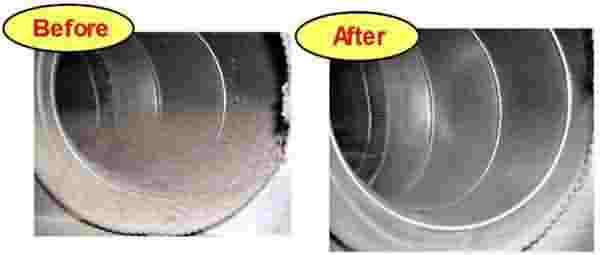
My first real eye-opener happened with a dog I’d treated for chronic coughing. His owner kept him indoors most of the time, thinking it would protect him from pollen and agricultural dust common in our area. But the symptoms persisted. During a follow-up conversation, she mentioned that whenever the heater turned on, the dog would start sneezing. That small detail told me a lot. I suggested she have the ducts inspected—not because I was thinking about the HVAC system itself, but because I suspected what might be circulating through it. A week later, she told me the technician found a thick buildup of dust and pet hair lining the return duct. Once the ducts were cleaned, the dog’s symptoms eased. That case stuck with me because it showed how invisible problems inside a home can trigger very visible reactions in animals.
Another moment that shaped my perspective came from my own experience. I live with two aging cats, both of whom are prone to respiratory sensitivity. For months, one of them wheezed lightly whenever the AC kicked on. I assumed it was just part of her age until I removed a vent cover while cleaning and saw a gray film deep inside the duct. I decided to have the system cleaned. The technician showed me clumps of hair, dander, and fine debris—much of it brought in from outside through tiny gaps in the attic. After the cleaning, the wheezing episodes became less frequent. It was the first time I personally felt how much cleaner air affects animals that spend most of their time indoors.
I’ve also seen how home renovations affect pets in subtle ways. A client told me her cat had started sneezing nonstop after a bathroom remodel. She assumed it was stress. But when I asked about dust exposure, she mentioned that she noticed a chalky smell when the heater turned on. That told me everything I needed to know. Drywall dust is incredibly fine, and once it reaches the duct system, it lingers long after surfaces look clean. She had the ducts cleaned, and within days her cat stopped sneezing. Cases like this taught me that a spotless home can still circulate irritants if the ducts haven’t been addressed.
Of course, not every pet issue is solved by duct cleaning. I’ve treated animals whose symptoms were caused by mold, stress, or unrelated infections. I’ve also seen homeowners request duct cleaning thinking it would fix temperature inconsistencies, only for the real problem to be a collapsed duct in the attic—something cleaning couldn’t touch. Experience has made me more thoughtful about when I recommend assessing a home’s air pathways.
Still, in many Madera households—especially those near farmland, those with multiple pets, or those that have recently undergone renovations—cleaning the ducts removes allergens that would otherwise continue circulating. Our region’s dry summers and farming activity contribute to airborne particles that settle deep inside duct systems. And pets, with their constant shedding and dander production, add another layer to the problem.
As someone who cares for animals daily, I’ve learned that their lungs are often the first to react to what we overlook. Air quality isn’t just a human concern; it affects every creature living under the same roof. Duct cleaning isn’t a cure for all respiratory issues, but in many homes I’ve visited or consulted on, it has been one of the simplest ways to help pets breathe easier.
Seeing animals recover or improve simply because their environment changed has made me pay closer attention to the hidden systems inside our homes. For many families in Madera, clean ducts aren’t just about comfort—they quietly support the health of the pets who rely on that space more than anyone else.